
Your eyes work harder than almost any other organ in your body, yet most people wait until something feels “off” before booking an appointment. By then, subtle changes may have already been quietly reshaping your vision for months. A comprehensive eye test catches these shifts early, often before you notice anything wrong at all.
What Is a Comprehensive Eye Test?
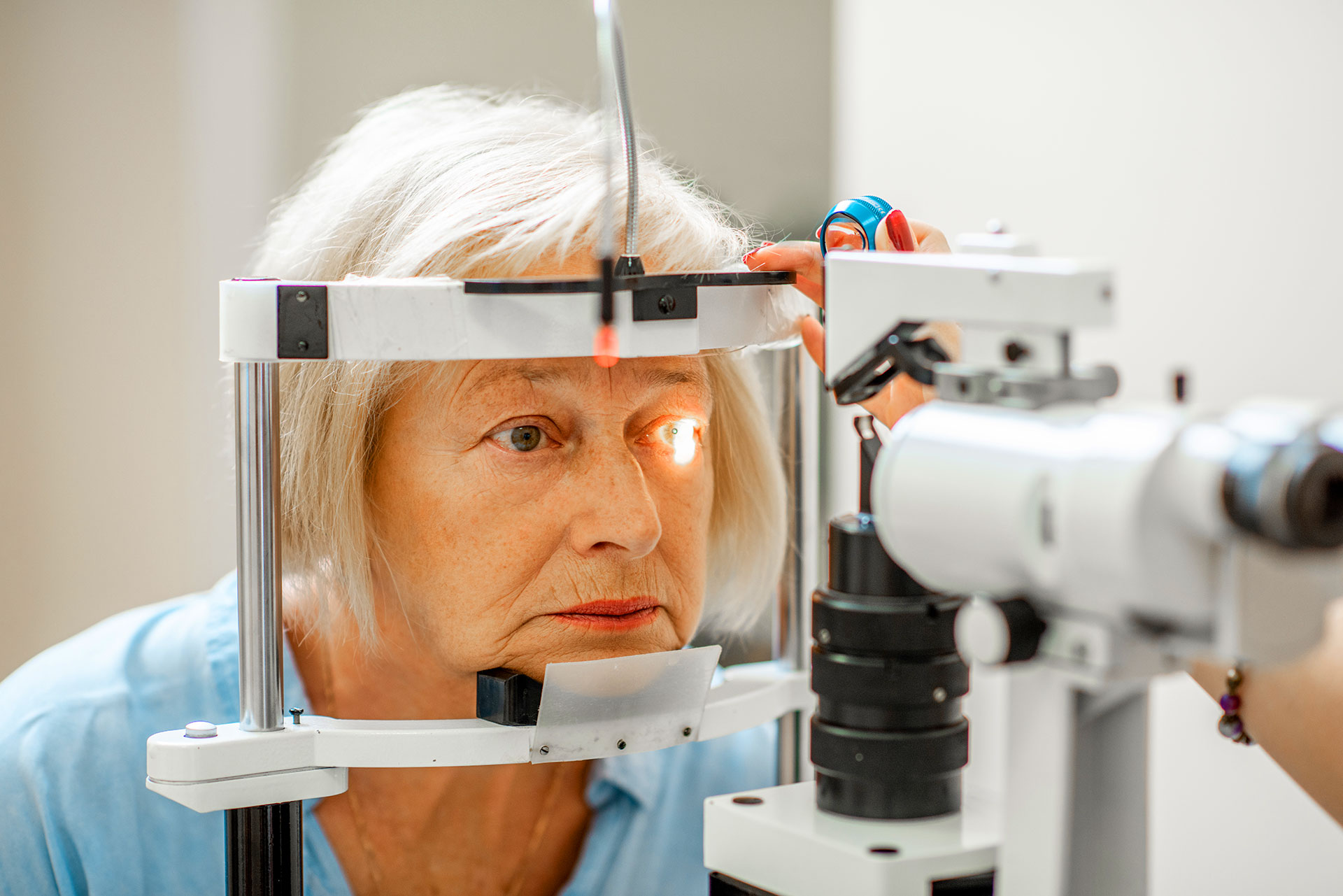
A comprehensive eye test is a complete evaluation of both vision clarity and overall eye health. It includes refraction checks, retina evaluation, eye pressure testing, and screening for conditions like glaucoma, cataracts, and diabetic retinopathy. Unlike a basic screening, it examines the eye’s internal structures, not just how well you read a chart.
Many people assume an eye exam is only about updating a glasses prescription. In reality, it’s one of the few checkups that can reveal early signs of diabetes, high blood pressure, and even certain neurological conditions, simply by looking through the eye’s clear tissues.
Why a Basic Vision Screening Isn’t Enough
A quick vision screening, like the kind offered at a school or DMV, only tells you whether you can read letters at a distance. It says nothing about the health of your retina, optic nerve, or the internal pressure of your eye.
Here’s what a basic screening typically misses:
- Early glaucoma, which often has no symptoms until vision loss begins
- Macular degeneration, a leading cause of vision loss in older adults
- Dry eye disease, which can worsen without proper diagnosis
- Binocular vision issues, affecting how your eyes work together
This is exactly why relying on a screening alone can leave serious conditions undetected for years.
What Happens During a Comprehensive Eye Test
Understanding the process can make the appointment feel far less intimidating. Most exams follow a similar structure, though the exact order may vary by clinic.
1. Patient History Review
Your optometrist will ask about your vision concerns, family eye health history, and any systemic conditions like diabetes or hypertension.
2. Visual Acuity Testing
This is the classic “read the chart” test, measuring how clearly you see at various distances.
3. Refraction Assessment
Using a phoropter, the doctor fine-tunes your lens prescription by comparing different lens strengths.
4. Eye Health Evaluation
Using specialized instruments, the doctor examines the retina, optic nerve, and internal eye pressure to rule out disease.
5. Additional Testing (If Needed)
Depending on findings, you may undergo pupil dilation, imaging scans, or color vision testing.
Signs You Shouldn’t Ignore Before Your Next Exam
Certain symptoms deserve prompt attention rather than waiting for your scheduled visit. If you’re experiencing sudden changes, it may be time to see a specialist sooner.
- Persistent eye strain or headaches
- Difficulty seeing at night
- Frequent squinting to focus
- Sensitivity to light that wasn’t there before
- Vision that fluctuates throughout the day
One symptom in particular tends to alarm people the most: blurred vision that won’t go away no matter how much you blink or rest your eyes. If this sounds familiar, it’s worth understanding which eye doctor is best suited to evaluate persistent blurry vision, since the right specialist depends on the underlying cause.
How Often Should You Get a Comprehensive Eye Test?
Frequency depends largely on age, health history, and risk factors. As a general guideline:
- Children (6-17): Every 1-2 years
- Adults (18-60): Every 2 years, or annually with risk factors
- Adults 60+: Every year, due to higher risk of age-related conditions
- Diabetics or contact lens wearers: Annually, regardless of age
Skipping regular exams doesn’t just risk blurry vision. It can delay diagnosis of conditions that are far easier to manage when caught early.
The Long-Term Value of Routine Eye Exams
Think of a comprehensive eye test as preventive maintenance for one of your most essential senses. Small, early interventions, like adjusting a prescription or catching elevated eye pressure, often prevent much larger problems down the road.
Your eyes don’t operate in isolation either. Because blood vessels in the retina mirror the health of vessels throughout your body, eye exams frequently reveal early warning signs of systemic diseases before other symptoms appear.
Frequently Asked Questions
How long does a comprehensive eye test take?
Most exams take between 30 and 60 minutes, depending on whether pupil dilation or additional imaging is required.
Does a comprehensive eye test hurt?
No. The exam is non-invasive. Some parts, like tonometry or dilation, may cause mild, temporary discomfort or light sensitivity.
Can a comprehensive eye test detect diseases beyond the eyes?
Yes. Eye exams can reveal early signs of diabetes, high blood pressure, high cholesterol, and certain autoimmune conditions.
Do I need to prepare anything before the exam?
Bring your current glasses or contacts, a list of medications, and avoid wearing eye makeup if dilation is expected.
Is dilation always necessary?
Not always. Your eye doctor will determine if dilation is needed based on your age, symptoms, and health history.
Final Thoughts
A comprehensive eye test does far more than confirm whether you need new glasses. It’s a full health checkpoint that can catch silent conditions before they escalate, protect your long-term vision, and even flag broader health concerns. Staying consistent with these exams, rather than waiting for symptoms to appear, is one of the simplest ways to safeguard your eyesight for years to come.